
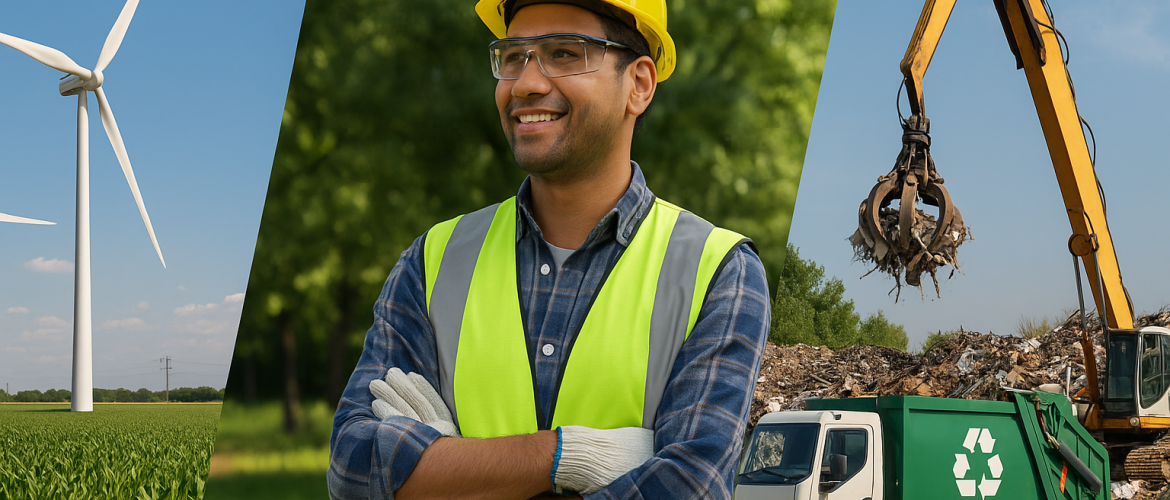
Use of technology is rising quickly in India. Electronic devices, from mobile phones and tablets to factories and household items, are an important component of everyday life. But a problem that results when these devices become older and become old is how to safely and ethically dispose of them. Indian recycling companies face the whole burden of responsibility as they are important in converting e-waste into useful resources and reducing environmental damage.
Recycling businesses are taking up the task as a result of increased awareness and more stringent laws. In order to create a circular economy, one in which resources are recycled, precious metals are recovered, and dangerous items are treated with care, they want to make sure that ewaste disposal in India is less of a reactive than a proactive endeavor.
The E-Waste Challenge in India
One of the biggest producers of electrical garbage worldwide is India. Industry research shows quite a bit of e-waste still winds up in the wild, with official recycling only collecting just some of this amount.
Many problems, including soil contamination, water pollution and threats to public health, result from this gap in official collection and processing. Electronics include hazardous materials including lead, mercury, cadmium and toxic substances that, if improperly handled, can leak into the environment.
Also, with India’s developing ability for recycling e-waste, there continues to be a shortage of infrastructure and awareness. Only approximately 43% of e-waste is processed through official routes, according to a recent research. These facts show how crucial it is for respectable recycling companies in India to handle that issue.
How E-Waste Disposal Works
To properly handle e-waste, an authorized recycling companies in India typically follows a multi-step, reliable procedure:
- E-waste is collected from a range of locations, including residences, workplaces and companies.
- Sorting and Segregation: For safer processing, devices are grouped according to kind (such as circuit boards, batteries and IT equipment).
- Dismantling: Skilled experts break down the objects to separate the possibly dangerous components from the recyclable ones.
- Material Recovery: Recycling specialists recover valuable components using modern recycling procedures.
- Safe Disposal: Objects that are not recyclable are treated and disposed of following strict guidelines.
- Certification: Official recyclers frequently provide documents proving recycling, help clients in conforming to environmental laws.
By doing this, the possibility for recovering discarded devices is increased while environmental damage is decreased.
The Economic & Social Impact
Recycling companies in India makes services to society, the economy and the environment:
- Creation of Jobs: The waste disposal sector creates jobs at every stage of the process, from collection and breakdown to processing.
- Communities are given control by formal recyclers, who regularly work with nearby collectors and collection agencies to offer safer working conditions and regulated salaries.
- Encouraging the Economy: Recyclers serve to a sustainable manufacturing cycle by restoring materials into the production cycle, which reduces dependency on virgin resources.
- Accelerate Growth: As the e-waste management industry expands, green investments are drawn to it, which promotes process and infrastructure innovation.
Challenges in E-Waste Disposal in India
Even with advancements, a number of challenges persist:
- Dominance of the Informal Sector: Informal workers still handle a significant quantity of e-waste and they typically don’t follow security measures or regulations.
- The harmful effects of toxic waste and formal recycling options are not well-known by many companies and consumers.
- Infrastructure Deficit: In many regions of the nation, collection networks and recycling capacity are still restricted.
- Scaling Formal Operations: Recycling companies require more funding and improved supply chains to handle the increasing amount of electronic waste.
The Path Forward: Building a Sustainable Recycling Ecosystem
Several strategic actions are important for improving e-waste disposal and boosting the role of recycling companies in India:
- Increasing Enforcement and Regulations.
More of the electronic waste stream can be standardized by enforcing EPR rules more strictly and making sure recyclers have the required certification. - Networks for Scaling Collections.
Formal recycling rates can be raised by implementing a thorough and easily accessible collecting infrastructure, including doorstep pickup and drop-off locations. - Increasing Public Knowledge.
Recycling companies may take the lead in teams, public initiatives and educational efforts that educate citizens and companies about the advantages and value of properly disposing of e-waste. - Promoting Innovation.
Recovery rates and efficiency may be increased by investing in technologies like machines, mineral recovery and AI-driven sorting. - Making the Informal Sector Official.
Recycling e-waste may be made safer and more inclusive by working with informal trash handlers and offering them safety equipment, certification and training.
Why Choosing a Professional Recycler Matters
Working with a reputable recycling company allows people or organizations to do more than just simply get disposed of outdated devices it also helps create an environmentally friendly future. Expert recyclers make sure:
- Environmental Protection: Proper handling of potentially toxic substances is practiced.
- Resource Efficiency: Collecting and recycling valuable materials.
- Regulatory Compliance: Customers are able to fulfill the company’s responsibility and legal duties.
- Social Responsibility: Recycling supports social happiness and safe work.
Working forces with a reputable recycler includes contributing to a larger effort to deal with e-waste in an effective and responsible way.
The Future of Recycling in India
India has immense potential for its recycling sector. Forecasts suggest a swift increase as more e-waste reaches official recycling routes and environmental rules become stronger.
The most successful companies in recycling have names that value creativity, transparency and social responsibility. Such businesses will play a key role in converting a growing waste issue into a profitable opportunity as more electronic devices reach the end of their useful lives.
Along with saving the environment, India may obtain economic benefits by building a strong, official recycling system. It is difficult to minimize the importance of recycling companies. In this process they are the basis of e-waste management and the creators of an environmentally friendly future.
Indian recycling companies continue to lead the way in making the shift to environmentally friendly practices and sustainable resource utilization, going beyond simple disposal of waste. By using responsible methods, these companies make sure that the ewaste disposal in India is organized, secure and beneficial.
Each recycled device contributes to a circular economy, pollution reduction and the recovery of valuable resources. The work of such companies will continue to be significant in protecting the health of our planet and creating a future in which waste is actually turned into a resource as India’s digital footprint expands.