
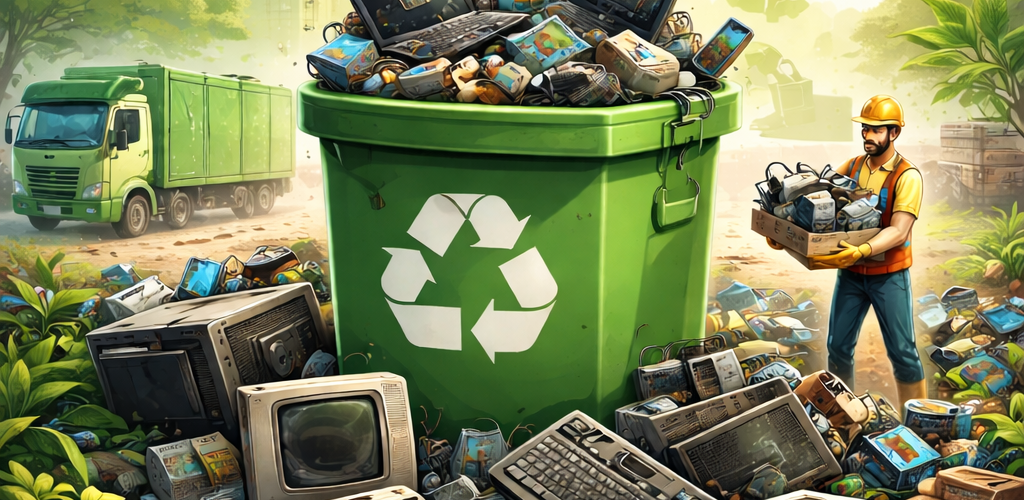
In today’s world electrical devices are important. Electronics are the foundation of daily life and corporate activities including computers and cellphones to televisions printers and home appliances. However the problem of discarded electronics or electronic waste has become a major environmental and social issue due to the quick evolution of technology and frequent upgrades to products. ewaste disposal in India properly is a duty to future generations as well as a compliance need.
Both valuable recoverable resources and dangerous compounds that if handled incorrectly, could endanger human health and the environment are found in e-waste. Because of this an ewaste company in India is crucial. Alongside them recycling companies in India are leading the way in environmentally responsible methods that preserve natural ecosystems and recycle trash into resources. This blog explores the significance of managing e-waste responsibly the difficulties India faces and the impact that organised recycling programs are having.
Understanding E-Waste and Its Challenges in India
Old electronics tossed away make up what we call e-waste – think laptops, fridges, chargers, even power cells. Not your everyday trash, this stuff carries a mix of useful parts and dangerous ones too. Metals worth something – copper, gold, aluminum – often hide inside, waiting to be pulled out and used again. Yet lurking alongside are poisons like mercury, lead, and cadmium, which if mishandled, could harm nature in quiet but serious ways.
Cities grow fast in India, while more folks buy gadgets – this means old electronics pile up quicker than before. Yet most of it slips into backyard workshops or dumps instead of proper centers, mainly because information is spotty, collection spots are few, and habits around tossing devices differ wildly. When these materials get handled wrong, poisons leak into earth and rivers; smoke rises when they burn wires, harming lungs and bodies nearby.
Because of this ewaste disposal in India is a complicated but pressing issue that requires coordinated procedures public involvement regulatory backing and cooperation between the public businesses and recycling experts.
What Makes an Ewaste Company in India Essential
One thing leads to another when old gadgets pile up. An ewaste company in India not simply hauling junk but building order out of chaos. Instead of vanishing into landfills, devices get sorted with care. From pickup to breakdown, each step follows clear rules. Some outfits test what still works; others dismantle beyond repair. Materials like metal and plastic find new paths. Even toxic parts face controlled handling. Trust comes from knowing where things go. Transparency shapes every move behind the scenes.
- Organized CollectionGetting electronics out of homes, offices, schools, and factories safely starts things off right. When handled by approved collectors, those worn-out devices avoid ending up buried where they leak harmful stuff into soil and water.
- Sorting and SegregationAfter gathering, old electronics get split by material type: metal parts go one way, plastic another. Circuit boards land separate from wires. Batteries are set aside on their own. This sorting makes what comes next move faster.
- Safe DismantlingFolks who know what they’re doing take apart these machines where it’s safe, so dangerous stuff gets sorted out without messing up nearby areas.
- Material Recovery and RecyclingWhat keeps recycling going is pulling useful stuff back out of waste. From that mix, metals come out first – then plastic, then glass – each getting washed and readied again. Because of this, fewer new ores need digging up. Earth holds onto more of what it already has.
- Environmentally Safe DisposalSome parts won’t go into recycling. When that happens, dangerous materials get handled carefully so they don’t leak or pollute.
- Documentation and ComplianceA trail of paperwork follows every step when an expert e-scrap handler does their job, showing clear proof things are done right by nature’s rules. This paper trail helps customers meet legal checklists and fill out green business summaries without guesswork.
One way a business handles old electronics is by cutting down harm to nature, yet saving useful stuff from being tossed away. A firm doing this work keeps dangerous junk out of landfills at the same time it pulls back metals worth reusing. Since devices pile up fast, such service stops pollution while pulling value from what most see as trash. Keeping toxins buried means less damage later, whereas recycling parts gives raw resources another life.
Role of Recycling Companies in India
Out of every ten tons of discarded electronics, Recycling companies in India handle most. Not just breaking down old devices, yet shaping how cities reduce pollution. From Delhi to Chennai, their facilities turn clutter into usable materials. Instead of leaving gadgets in landfills, they recover metals quietly. Driven by rules and rising demand, operations grow without fanfare. Behind each laptop melted lies careful sorting. Machines hum while workers spot hazardous parts fast. Progress shows not in slogans but cleaner air near industrial zones. One broken phone at a time, these hubs shift habits across households. Hidden in plain sight, their impact piles up where trash once sat .
- Environmental ProtectionStarting with careful sorting, recycling firms keep dangerous substances out of nature. Because improper waste harms ecosystems, these operations remove poisons before processing begins. Hidden risks get locked away through controlled methods instead of spreading freely. When toxins are handled right, clean air stays possible along with safe drinking water. Even ground stability depends on such behind-the-scenes work done quietly every day.
- Resource ConservationOut of old electronics, bits like metal and plastic find fresh life in new products. Because of that, factories burn less power. Mining fewer ores becomes possible when what we already have gets another turn. Old ways fade when reuse makes sense.
- Energy EfficiencyFrom recycled stuff, making goods uses way less power compared to starting fresh. Less output means fewer fumes in the air – helping across the country fight warming trends.
- Public Awareness and EducationOut there, some recyclers run programs that teach folks how to toss things the right way. Because of these efforts, people and groups often choose proper recycling instead of dumping stuff carelessly.
- Jobs and Learning New SkillsFrom gathering materials to breaking them down, jobs emerge wherever recycling is structured. These roles feed into nearby communities, building experience in environmentally focused industries through transport, sorting, and handling tasks. Workers gain know-how while systems grow more efficient behind the scenes.
Because of what they do, recycling firms play a part in building communities that can better handle change while caring for nature.