
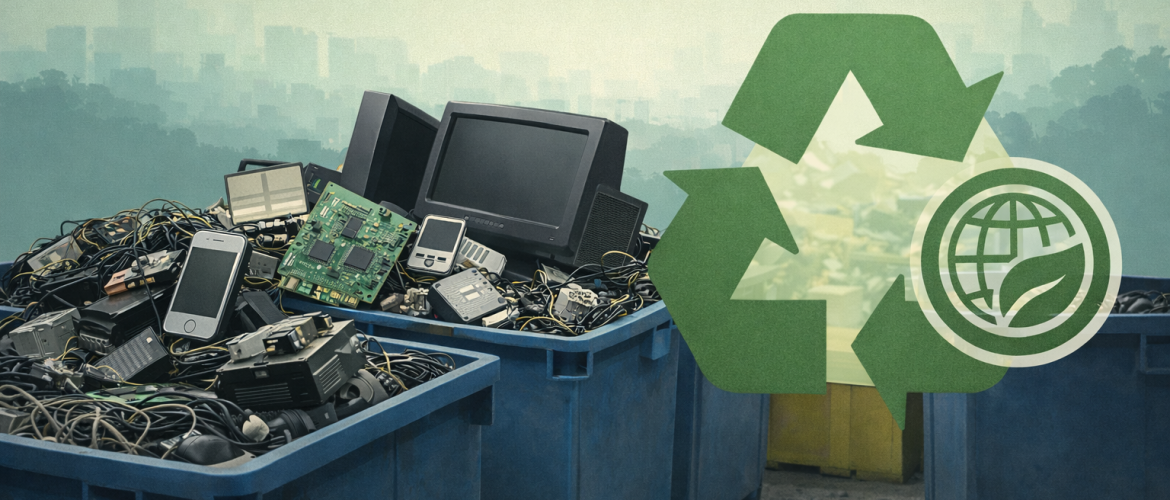
Millions of electronic devices are used, upgraded, replaced and discarded yearly as technology becomes an important component of modern life. Devices such as phones, computers, tablets, printers, televisions and refrigerators, among many others make life simpler. But these items turn into electronic waste or e-waste, when their useful lives come to an end.
One of India’s top environmental issues now is controlling the growing influx of waste electronics. In the face of this difficulty, ewaste collection in India is important for ensuring that outdated devices are managed responsibly, securely and sustainably. When utilized in conjunction with proper recycling systems, this guarantees that discarded devices are not harmful to the environment but rather are collected and repurposed as resources.
India’s shift from unorganized e-waste disposal to organized recycling is indicative of a larger dedication to resource conservation, public health and the preservation of the environment. A ewaste recycling listed company in India plays an even more important role as we strive toward more ethical practices.
The Urgency of Responsible E-Waste Management
Ordinary domestic garbage is not the same as electronic waste. It includes harmful chemicals including lead, mercury and flame retardants as well as valuable materials like copper, aluminum, gold, and other recoverable metals. These harmful substances have a chance to leak into soil and water systems if not properly handled, harming the environment and human health.
In the past, dangerous methods ruled in the unauthorized or informal industries that handled a significant amount of India’s e-waste. Environmental contamination and health risks have resulted from uncontrolled deconstruction, open wire burning, and the use of hazardous chemicals for metal recovery. In order to address this, organized ewaste collection in India, guaranteeing that discarded devices are gathered, moved and repurposed in accordance with safety and environmental regulations.
What Is Ewaste Collection in India?
In India, the coordinated process of collecting outdated or unwanted electronic equipment from a variety of sources—including homes, industries, educational institutions and government offices—through approved and accredited routes is known as “e-waste collection.”
E-waste is kept out of landfills and treated safely with the help of a skilled collecting system. Rather, it enters a series of recycling processes where it is sorted, disassembled, and treated in an ecologically responsible manner. The first and most important step in recycling responsibly is this planned collection.
How E-Waste Collection Works
In India, efficient e-waste collection uses a methodical approach:
- Identification and Pickup: No longer-needed electronic gadgets are located and arranged for pickup. This might come from private residences, business campuses, or gatherings devoted to collecting efforts.
- Segregation at the Source: IT equipment, small home gadgets, appliances, cables, batteries, and other things are sorted according to their classifications.
- Safe Transportation: The separated e-waste is delivered in a controlled and safe way to accredited recycling facilities.
- Pre-Processing Handling: Devices are examined for sensitive information prior to recycling. If necessary, secure data wiping is done.
- Recycling and Resource Recovery: Materials like metals, plastics, and glass that can be recovered or used again are taken out. Natural safety rules are followed when dealing with and disposing of toxic substances.
By eliminating pollution and improving resource recovery, each step ensures that the lifetime of electronic devices ends in an environmentally friendly way.
The Role of an Ewaste Recycling Listed Company in India
An entity that collects and recycles e-waste using official, approved procedures is referred to as a ewaste recycling listed company in India. The company’s adherence to established environmental standards and documented procedures for safe disposal of electronic waste are indicated by the word “listed.”
These businesses guarantee:
- Environmental Regulation: They follow the laws and make sure that all recycling processes are executed in an ethical and legally acceptable way.
- Certified Recycling Procedures: They use clear, secure and measurable methods for managing, processing and recycling electronic waste.
- Safety for Staff and the Environment: They use technology to reduce the negative impact on the environment and give employees training and safety gear.
- Data Security: Before being recycled, sensitive data on devices is safely deleted or destroyed.
- Paperwork and Proof of Recycling: Clients frequently get certification or paperwork attesting to the responsible collection and recycling of their electronic trash.
- By following these requirements, an Indian e-waste recycling listed company contributes immensely to the development of the country’s official recycling ecosystem and fosters confidence between companies and their clients.
Why Organized E-Waste Collection Matters
In India, recycling e-waste responsibly is more than just a process it’s a responsibility to the next generation. This is why it’s important:
- Preserving the Environment
Metals and other precious and limited materials are found in electronic equipment. By collecting and recycling ewaste, these materials may be recovered and used again in new products, which reduces reliance on the extraction of natural resources. - Preventing Pollution of the Environment
If e-waste is disposed of incorrectly, hazardous materials can pollute groundwater and soil. Such waste is directed into safe recycling procedures thanks to organized collecting. - Protection of Health and Safety
Communities and staff are exposed to risky chemicals through unsafe disposal methods. Organized collecting and reusing stops exposure to such materials. - Accountability and Compliance
Organizations and individuals can comply with corporate social responsibility and legal requirements by using formal ewaste collecting systems. - Encouragement of the Circular Economy
A circular economy that prioritizes sustainability and less waste uses collected electronics to feed recycling channels where materials are recovered and reused.
Challenges in E-Waste Collection
Notwithstanding advancements, there are still difficulties with e-waste collection in India:
- Limited Knowledge: A lot of individuals don’t know how to properly dispose of outdated equipment.
- Accessibility of Collection Services: Not every area has access to collection locations and pickup services.
- Dominance of the Informal Sector: In particular regions, an immense quantity of e-waste is still handled by unauthorized recycling.
- Durability of Network: While the infrastructure for recycling e-waste is growing, it still has to be improved according to demand.
Policymakers, waste management professionals, institutions, and citizens must work together to address these issues.
Looking Ahead — A Sustainable Future
India’s electronic waste ecosystem is changing quickly. The importance of proper ewaste collection in India will only increase as electronics become more commonplace and technology develops. A healthy society, resource conservation, and environmental preservation are all facilitated by formal, approved recycling systems.
In order to ensure that hazardous waste is turned into a resource rather than a burden, a ewaste recycling listed company in India serves as a link between discarded electronics and responsible recycling. India has set a foundation for a cleaner, greener future by means of organized collection, secure recycling processes and community involvement.
Collecting e-waste correctly involves more than just getting rid of old electronic equipment; it also protects the health of future generations, saving valuable materials and protecting the environment.